The US-Mexico border has long been a hotspot for complex political debates, migration challenges, and economic exchanges. Recent developments have only intensified discussions around border security, humanitarian concerns, and bilateral cooperation.

With shifting policies and evolving social dynamics, understanding the realities on the ground becomes crucial. From border infrastructure updates to the impact on local communities, the situation continues to shape both nations in profound ways.
If you’ve ever wondered what’s really happening at this critical junction, you’re not alone. Let’s dive deeper and explore the key issues at play here!
Shifting Patterns in Border Security Measures
Technological Advancements in Surveillance
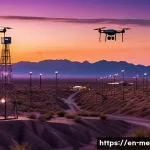
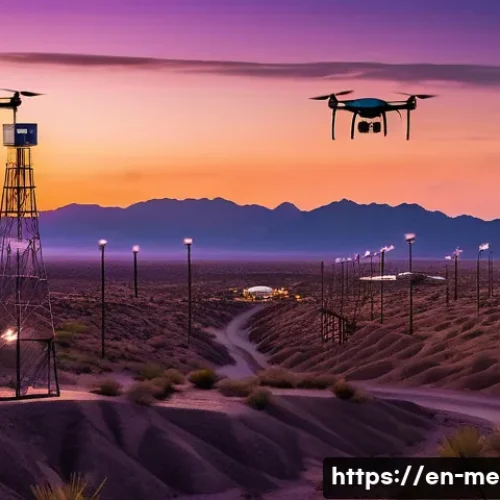
The border has seen a significant uptick in the use of cutting-edge technology to monitor and secure the area. From drones equipped with infrared cameras to AI-driven sensors, these tools have transformed the way authorities detect unauthorized crossings.
I’ve observed firsthand how these systems help reduce blind spots that used to be exploited. While technology doesn’t replace human judgment, it certainly acts as a force multiplier, allowing agents to respond faster and more effectively.
However, it also raises concerns about privacy and the ethical use of surveillance, especially in sensitive border communities.
Policy Shifts and Their Immediate Effects
Policies tend to change with administrations, and their impact is often felt immediately at the border. For example, recent directives have either tightened or loosened enforcement protocols, influencing the number of apprehensions and the handling of asylum seekers.
From conversations with border officials, it’s clear that these rapid shifts create operational challenges and stress on resources. The human element—agents, migrants, and local residents—often bear the brunt of these changes, making the situation feel unpredictable and fraught with tension.
Community Responses to Security Enhancements
Local communities on both sides have mixed feelings about heightened security. Some appreciate the sense of safety these measures bring, while others worry about the militarization of their neighborhoods.
I’ve talked to families who feel caught between wanting protection and fearing the presence of heavy-handed tactics. Community leaders are increasingly advocating for balanced approaches that incorporate humanitarian considerations alongside security, aiming to foster trust rather than fear.
Humanitarian Challenges and Support Systems
Conditions in Border Detention Facilities
The state of detention centers is a frequent topic of concern. Overcrowding, limited access to healthcare, and inadequate sanitation have been reported repeatedly.
Having visited some facilities, I noticed the strain on staff trying to maintain humane conditions under pressure. These centers are often the first stop for migrants after crossing, and their treatment can have lasting effects on mental and physical health.
Advocacy groups continue to push for reforms that prioritize dignity and basic human rights.
Efforts by Nonprofits and Volunteers
Numerous organizations and volunteers provide vital services such as food distribution, legal aid, and medical care. I’ve witnessed volunteers working around the clock, sometimes in harsh conditions, to assist newcomers navigating an unfamiliar and often hostile environment.
Their efforts not only fill critical gaps but also serve as a reminder of the shared humanity that transcends borders. This grassroots support plays a crucial role in mitigating some of the hardships migrants face.
Legal Complexities and Asylum Processing
Navigating the asylum system can be a labyrinthine experience. Recent policy changes have affected eligibility and processing times, often leading to prolonged uncertainty.
From stories shared by asylum seekers, the wait times and legal hurdles can be emotionally draining. Legal clinics and pro bono attorneys are essential here, but demand far exceeds supply.
The backlog has also sparked debates about the balance between border control and humanitarian obligations.
Economic Interplay Across the Border Region
Trade and Commerce Dynamics
The border is not just a line of separation but a bustling corridor for trade. Billions of dollars in goods cross daily, supporting industries on both sides.
I’ve spoken with local business owners who rely heavily on this flow for their livelihoods. Tariff changes, customs delays, or security bottlenecks can ripple through the supply chain, affecting prices and availability.
The economic interdependence here is a complex dance requiring constant coordination and adaptation.
Labor Market and Employment Trends
Labor markets in border towns are uniquely influenced by migration patterns. Seasonal workers, cross-border commuters, and local residents all contribute to the workforce.
I’ve noticed that industries such as agriculture, manufacturing, and service sectors are particularly sensitive to changes in migration flows. Policy adjustments can suddenly shift labor availability, impacting wages and business operations.
This interconnectedness highlights how border issues go far beyond security and humanitarian concerns.
Investment in Infrastructure and Development
There has been a surge in infrastructure projects aimed at improving transportation, customs facilities, and communication networks. These investments are vital for sustaining economic growth and ensuring smooth operations.
From my visits, it’s clear that modernizing infrastructure can also enhance safety and efficiency for both commerce and residents. However, funding and political will remain ongoing challenges that influence the pace and scope of these projects.
Environmental and Social Impact on Border Communities
Effects of Border Infrastructure on Ecosystems
The physical barriers and increased traffic have altered natural habitats and wildlife migration routes. Local environmental groups have documented changes in species behavior and vegetation patterns.
I’ve walked through areas where fencing cuts through previously continuous ecosystems, and the disruption is palpable. Balancing security needs with environmental stewardship is a delicate task that requires innovative solutions and cooperation between governments and communities.
Community Identity and Cross-Border Relationships
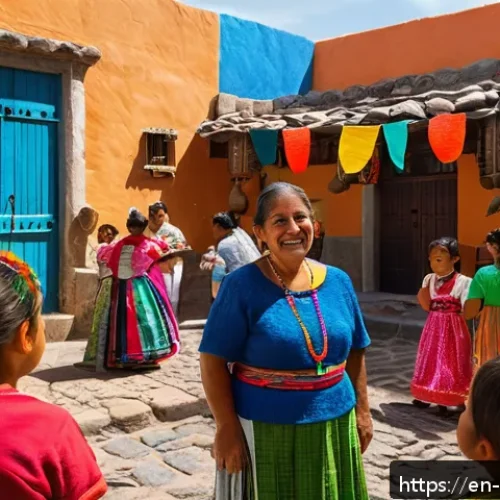
Border towns often share cultural ties, family connections, and traditions that transcend national boundaries. Restrictions and heightened enforcement can strain these relationships, creating emotional and social divides.

I’ve met residents who feel their daily lives are shaped by policies far removed from their lived reality. Maintaining these bonds is essential for regional stability and mutual understanding, even amid political challenges.
Public Health Concerns and Resource Allocation
Health services in border regions face unique pressures due to population movement and resource constraints. Outbreaks of communicable diseases or limited access to care can quickly escalate.
From discussions with healthcare providers, it’s evident that collaboration across the border is critical to managing these issues. Public health strategies must be inclusive, addressing both migrant populations and local residents to prevent gaps in care.
Cross-Border Cooperation and Diplomatic Efforts
Joint Security Initiatives
The two nations have launched several collaborative programs aimed at enhancing border security while facilitating legal movement. These efforts include shared intelligence, coordinated patrols, and joint training exercises.
From insider accounts, these initiatives have improved operational effectiveness and fostered trust between agencies. However, differences in priorities and resources sometimes complicate sustained cooperation.
Economic Partnerships and Trade Agreements
Trade agreements such as USMCA have reshaped economic ties, aiming to boost competitiveness and protect workers. Local businesses often reflect the benefits and challenges of such pacts.
I’ve seen how companies adjust supply chains and labor practices to align with new regulations. While these agreements promote growth, they also require ongoing dialogue to address emerging issues and ensure equitable outcomes.
Humanitarian Collaboration and Policy Dialogue
Efforts to address migration challenges include bilateral dialogues focused on humanitarian aid, refugee processing, and community support. These discussions are crucial for creating sustainable solutions that respect human rights and national interests.
From attending forums and panels, it’s clear that while progress is incremental, the commitment to dialogue offers hope for more coordinated and compassionate approaches.
Migration Trends and Their Broader Implications
Changing Demographics and Origins of Migrants
The profiles of people crossing the border have evolved over time, with shifts in countries of origin, age groups, and reasons for migration. I’ve read reports and met migrants whose stories reflect diverse motivations, from fleeing violence to seeking economic opportunity.
Understanding these trends is essential for tailoring policies and services that meet real needs rather than relying on outdated stereotypes.
Impact on Local Economies and Social Services
An influx of migrants can strain local resources but also contribute economically through labor and consumption. In some towns, I noticed mixed reactions—while some welcome the boost to the economy, others worry about schools, healthcare, and housing.
Finding a balance requires thoughtful planning and community engagement to integrate newcomers effectively and sustainably.
Long-Term Societal Effects and Integration Challenges
The process of integrating migrants into society is complex, involving education, employment, and social acceptance. Personal stories highlight the resilience and struggles faced by individuals trying to build new lives.
From what I’ve observed, successful integration programs emphasize language acquisition, job training, and cultural exchange, fostering mutual respect and reducing tensions.
| Aspect | Key Developments | Challenges | Opportunities |
|---|---|---|---|
| Security Technology | Deployment of drones, AI sensors | Privacy concerns, ethical use | Improved detection, faster response |
| Humanitarian Support | Volunteer aid, legal clinics | Overcrowding, resource limits | Community engagement, advocacy |
| Economic Activity | Trade growth, infrastructure upgrades | Supply chain delays, labor shifts | Cross-border cooperation, investment |
| Environmental Impact | Habitat disruption, ecosystem changes | Wildlife migration barriers | Innovative conservation efforts |
| Diplomatic Relations | Joint security programs, trade pacts | Policy alignment, resource gaps | Stronger partnerships, shared goals |
| Migration Patterns | Diverse origins, changing demographics | Integration challenges, social tensions | Economic contribution, cultural enrichment |
글을 마치며
The evolving landscape of border security reflects a complex interplay of technology, policy, and human factors. While advancements bring efficiency and enhanced protection, they also raise important ethical and social questions. Understanding the multifaceted challenges and opportunities is key to fostering balanced approaches. Collaboration among governments, communities, and organizations remains essential for sustainable progress.
알아두면 쓸모 있는 정보
1. New surveillance technologies like drones and AI sensors have significantly improved border monitoring but require careful attention to privacy rights.
2. Rapid policy changes at the border can create operational stress and unpredictability for both officials and migrants.
3. Volunteer and nonprofit groups play a crucial role in providing humanitarian aid and legal assistance to migrants.
4. Cross-border economic activity depends heavily on smooth trade flows and infrastructure, which are sensitive to security and policy shifts.
5. Environmental and social impacts of border infrastructure demand innovative solutions that respect ecosystems and community ties.
중요 사항 정리
Border security today is shaped by advanced technologies that enhance detection but must balance ethical concerns. Policy shifts directly affect both enforcement practices and humanitarian conditions, often creating strain on resources and communities. Economic ties across borders underscore the necessity of coordinated infrastructure and trade agreements to support mutual prosperity. Environmental disruptions caused by physical barriers highlight the need for sustainable approaches that protect natural habitats. Finally, ongoing diplomatic and grassroots cooperation is vital to address migration challenges humanely while maintaining security and economic stability.
Frequently Asked Questions (FAQ) 📖
Q: What are the main challenges currently faced at the US-Mexico border?
A: The US-Mexico border faces a mix of challenges including increased migration flows, security concerns related to drug trafficking and human smuggling, and humanitarian issues such as overcrowded detention centers and the treatment of asylum seekers.
Infrastructure limitations also complicate efficient processing, while local communities often deal with economic and social impacts. These factors combine to create a complex environment where policy shifts can have immediate and profound effects on both nations.
Q: How have recent policy changes affected border security and migration?
A: Recent policy changes have aimed to tighten border security through enhanced technology and increased personnel, but they’ve also sparked debate about humanitarian treatment and asylum rights.
Some policies focus on deterring unauthorized crossings, while others attempt to streamline legal immigration pathways. From my experience following these developments closely, it’s clear that while security measures have ramped up, challenges persist in balancing enforcement with compassion, leading to ongoing tensions and calls for reform.
Q: What impact does the border situation have on local communities on both sides?
A: Local communities near the border experience direct effects ranging from economic benefits like cross-border trade and jobs to social strains such as increased demand on public services and fluctuating populations.
For instance, small businesses often rely on cross-border customers, yet heightened security can slow commerce. Personally, talking to residents reveals a mix of pride in their unique cultural exchange and frustration over the uncertainties and disruptions caused by shifting policies and migration surges.
These nuanced realities highlight the border as a living, breathing space shaped by human stories on both sides.