As the world rediscovers the vibrant sounds of traditional music, Mexico’s marimba and vihuela are capturing hearts like never before. These instruments aren’t just tools—they’re storytellers, weaving centuries of culture into every note.
Whether you’re a music lover or a curious traveler, diving into their rhythms offers a unique glimpse into Mexico’s rich heritage. Lately, there’s been a growing buzz around how these melodies are influencing modern genres, making this the perfect time to explore their roots.
Stick around as we unravel the heartbeat of Mexican folk music and why it continues to resonate globally.
The Soulful Echoes of Mexican Heritage
Tracing the Origins: Where Tradition Meets Time
Mexican folk instruments like the marimba and vihuela have roots that stretch far back, entwined with indigenous and colonial histories. The marimba, originally introduced from Africa and then adapted in Mexico, found a home in the southern regions, especially Chiapas and Oaxaca.
The vihuela, on the other hand, has Spanish origins and is deeply embedded in mariachi ensembles, symbolizing the fusion of European and native Mexican cultures.
Understanding these instruments’ backgrounds is like opening a window to centuries of cultural exchange and evolution. Their sounds don’t just entertain; they narrate stories of migration, adaptation, and celebration.
The Craftsmanship Behind the Music
What’s truly fascinating about these instruments is not just their sound but the artistry involved in making them. Skilled luthiers dedicate months to crafting a vihuela from select woods like cedar or mahogany, carefully shaping the body to achieve that distinctive bright, rhythmic tone.
Marimbas are equally complex, constructed with precision wooden bars and resonators that amplify their warm, mellow sound. The process is often a family tradition passed down through generations, with each instrument carrying subtle nuances from its maker.
When you hear a live performance, you’re actually experiencing the culmination of countless hours of handcrafted dedication.
The Living Legacy in Daily Life
In many Mexican communities, these instruments are more than just tools for music—they’re essential parts of social and religious life. From town festivals to weddings and religious celebrations, the marimba and vihuela bring people together, creating a shared sense of identity and joy.
I’ve personally witnessed how a single marimba performance can turn an ordinary afternoon into a vibrant gathering, with locals singing and dancing along.
This communal spirit is at the heart of Mexican folk music’s enduring appeal, making every note feel alive and meaningful.
Modern Rhythms Inspired by Ancient Strings
Blending Traditional Sounds with Contemporary Beats
It’s exciting to see how the marimba and vihuela are influencing new musical landscapes. Artists today are creatively blending these traditional sounds with genres like pop, rock, and even electronic music.
This fusion creates fresh, dynamic tracks that still honor their roots but appeal to younger, global audiences. For example, some indie bands incorporate the marimba’s resonant tones as a melodic base, while others use the vihuela’s rhythmic strumming to add a lively texture to their songs.
This crossover not only revitalizes interest in folk instruments but also expands their cultural reach beyond Mexico’s borders.
The Role of Technology in Revival
Technology plays a surprising role in the resurgence of these traditional instruments. High-quality recordings and social media platforms allow musicians to share their marimba and vihuela performances with millions worldwide.
Virtual lessons and tutorials have made learning these instruments more accessible than ever, breaking geographical barriers. I’ve noticed that this digital exposure has sparked renewed curiosity among young musicians eager to explore their cultural heritage in modern contexts.
It’s a powerful reminder of how old and new can come together to keep traditions alive.
Spotlight on Emerging Artists
Many contemporary Mexican artists are leading the charge in bringing these instruments into the spotlight. From folk ensembles that tour internationally to solo performers innovating within traditional frameworks, their passion breathes new life into the marimba and vihuela.
Attending one of these live shows is an unforgettable experience, where the energy of ancient rhythms collides with modern creativity. These musicians not only preserve cultural heritage but also push its boundaries, ensuring these sounds remain vibrant and relevant.
Understanding the Instruments: A Closer Look
What Makes the Marimba Unique?
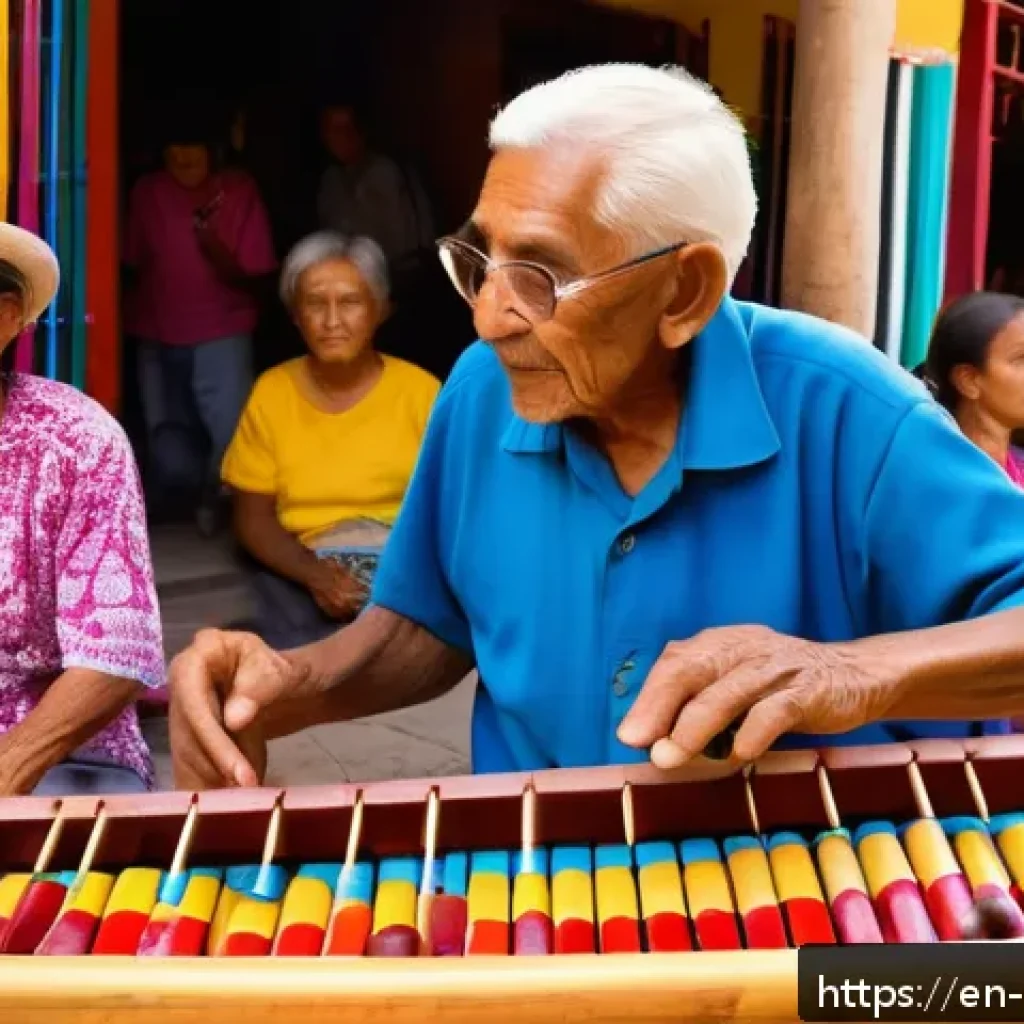
The marimba’s rich, wooden timbre sets it apart from other percussion instruments. It consists of wooden bars arranged like a keyboard, struck with mallets to produce melodic tones.
Beneath each bar, resonator pipes amplify the sound, giving the marimba its signature warmth and depth. Its range and versatility make it ideal for both lively dance music and soulful ballads.
I’ve always found that hearing a marimba live feels almost like a conversation between the instrument and the audience — each note carries emotion and nuance that recordings sometimes miss.
The Vihuela’s Rhythmic Charm
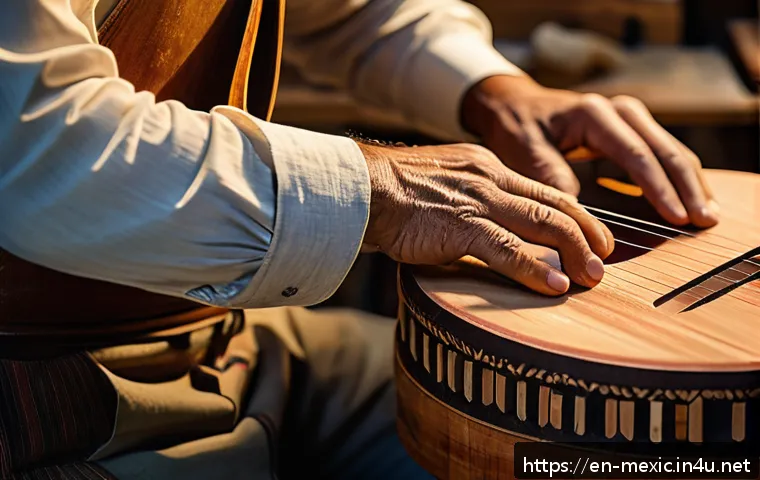
The vihuela is a small, five-stringed guitar with a distinctive convex back, designed to produce a bright, punchy sound that cuts through ensemble textures.
It’s primarily used for rhythm, providing a driving pulse that anchors mariachi music. What fascinates me is how vihuela players use subtle finger techniques to add syncopation and flair, turning straightforward chord strumming into an artful performance.
Its energetic sound is instantly recognizable and essential to the festive spirit of Mexican folk music.
Comparison Table of Key Features
| Instrument | Origin | Primary Use | Sound Characteristics | Typical Materials |
|---|---|---|---|---|
| Marimba | African roots adapted in Mexico | Melody and harmony in folk and classical | Warm, resonant, melodic | Wooden bars, metal or wooden resonators |
| Vihuela | Spanish colonial influence | Rhythmic foundation in mariachi | Bright, punchy, rhythmic | Cedar or mahogany wood, nylon strings |
The Cultural Impact Beyond Borders
Global Festivals and Cultural Exchange
Mexican folk instruments have found enthusiastic audiences worldwide, often showcased in international music festivals celebrating cultural diversity.
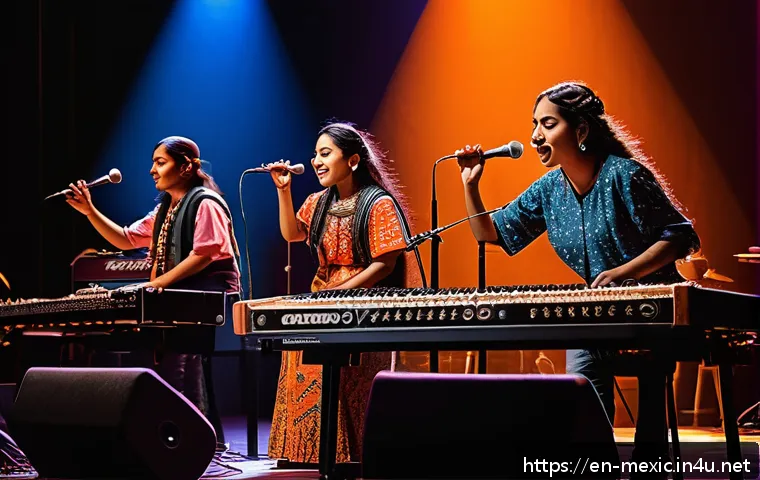
These events not only introduce the marimba and vihuela to new listeners but also foster artistic collaboration across borders. Musicians from different traditions experiment with Mexican sounds, creating hybrids that highlight the universal language of music.
I recall attending a festival where a marimba player teamed up with a jazz saxophonist, resulting in an unexpectedly beautiful blend that transcended genres.
Education and Preservation Efforts
Various organizations and community groups are dedicated to preserving Mexican musical traditions by teaching younger generations how to play these instruments.
Schools and cultural centers offer workshops and apprenticeships, ensuring that the knowledge and skills involved in making and playing the marimba and vihuela don’t fade away.
From what I’ve seen, these programs also emphasize cultural pride and identity, empowering youth to connect with their heritage in meaningful ways.
Influence on Popular Culture
You might be surprised how often the marimba and vihuela appear in movies, commercials, and pop music, subtly shaping global perceptions of Mexican culture.
Their distinctive sounds evoke warmth, festivity, and tradition, making them go-to choices for creators wanting to add authentic Mexican flavor. Personally, I’ve caught myself humming marimba riffs from a catchy ad jingle or noticing vihuela rhythms behind a popular song’s chorus without even realizing it at first.
This subtle integration helps keep these instruments relevant in everyday life.
Experiencing the Magic Firsthand
Where to Hear Authentic Performances
If you ever find yourself in Mexico, seeking out live marimba and vihuela music is a must. From bustling markets in Oaxaca to lively plazas in Guadalajara, these performances are often spontaneous and deeply connected to local life.
I remember stumbling upon a street concert where an elderly marimba player captivated a crowd with his nimble fingers and heartfelt melodies. These moments offer a rare chance to feel the genuine spirit of Mexican folk music beyond the polished recordings.
Learning to Play: A Personal Journey
Taking up either instrument can be a rewarding challenge. Beginners often start with the vihuela’s rhythmic patterns, which lay the foundation for mariachi music, before exploring more complex fingerpicking techniques.
Marimba lessons typically focus on developing hand coordination and understanding melodic structure. From my experience, learning these instruments also means embracing patience and cultural immersion, as you don’t just learn notes but the stories and traditions behind them.
Bringing the Sound Home
For music enthusiasts outside Mexico, owning a marimba or vihuela might seem daunting, but it’s increasingly feasible with online shops and tutorials.
Even a modest vihuela can add a unique texture to home recordings or jam sessions. I’ve found that incorporating these instruments into my playlists and practice sessions enriches my appreciation for Mexican culture and broadens my musical horizons.
Plus, sharing this music with friends often sparks lively conversations and curiosity about its origins.
In Closing
Exploring the rich heritage of Mexican folk instruments reveals a vibrant tapestry of culture, history, and creativity. Their timeless sounds continue to inspire both traditional and modern music scenes. Whether experienced live or through recordings, the marimba and vihuela offer more than melodies—they connect us to a shared human story. Embracing these instruments invites us to celebrate the soulful echoes of Mexico’s past and present.
Useful Information to Know
1. The marimba originated from African instruments and was adapted in southern Mexico, especially in Chiapas and Oaxaca, giving it a unique cultural blend.
2. The vihuela, with Spanish roots, plays a key role in mariachi music by providing rhythmic support through its bright, punchy sound.
3. Skilled craftsmanship and family traditions are essential in making these instruments, contributing to their distinctive tones and character.
4. Modern artists are blending these traditional sounds with contemporary genres, helping to keep them relevant and exciting for new audiences.
5. Digital platforms and educational programs have made learning and sharing the marimba and vihuela easier, fostering global appreciation and preservation.
Key Takeaways
Mexican folk instruments like the marimba and vihuela are more than musical tools—they are cultural treasures that embody centuries of history and community spirit. Their craftsmanship and sounds reflect a fusion of indigenous and colonial influences, making them unique worldwide. Today, through innovation and technology, these instruments continue to thrive, inspiring artists and audiences far beyond Mexico’s borders. Engaging with their music offers a meaningful way to connect with Mexican heritage and the universal language of rhythm and melody.
Frequently Asked Questions (FAQ) 📖
Q: What makes the marimba and vihuela so important in Mexican traditional music?
A: The marimba and vihuela are more than just instruments; they carry the soul of Mexican culture. The marimba, with its warm, resonant tones, often serves as the melodic backbone in regional music, while the vihuela provides rhythmic support with its bright, percussive strumming.
Together, they tell stories of history, community, and celebration, connecting listeners to centuries-old traditions in a way that feels alive and personal.
From festivals to intimate gatherings, these instruments create a soundscape that’s uniquely Mexican.
Q: How are these traditional instruments influencing modern music genres today?
A: Recently, artists across genres—from pop to indie and even electronic—have been blending the marimba and vihuela into their music, adding authentic textures that evoke nostalgia and cultural pride.
I’ve noticed that this fusion not only revitalizes traditional sounds but also introduces them to younger audiences globally. The rhythms and melodies of these instruments bring a fresh yet timeless vibe, making modern tracks stand out with a distinctive cultural flair that resonates beyond borders.
Q: If I want to experience authentic marimba and vihuela music, where should I start?
A: The best way to dive in is by exploring live performances, especially in regions like Chiapas and Jalisco, where these instruments are deeply rooted. If traveling isn’t an option, look for recordings by traditional folk ensembles or contemporary artists who honor these sounds.
Personally, attending a local festival or even a small community concert made me appreciate the vibrant energy and emotional depth these instruments bring.
Streaming platforms and social media also offer great access to a variety of styles, so you can experience the heartbeat of Mexican folk music anytime, anywhere.