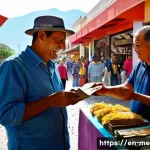
Dreaming of your next Mexican adventure and wondering how you’ll handle payments? I know the feeling! It’s easy to get caught up in the excitement, but figuring out the local money scene is always a smart move.

From my own experience navigating bustling markets and charming beachfront towns, I’ve found that while major credit cards like Visa and Mastercard are increasingly accepted in Mexico’s vibrant cities and popular tourist hubs, cash still holds a special, undeniable power, especially for those authentic local discoveries.
The payment landscape is evolving rapidly, with more digital options emerging, but having a solid plan can truly make your trip smoother and more enjoyable, helping you avoid unnecessary fees and keep your finances secure.
Let’s make sure you’re ready for seamless spending!
Cracking the Code: Cash vs. Card in the Land of Enchantment
Stepping off the plane in Mexico, I always feel that exhilarating mix of anticipation and a tiny bit of “how will I pay for things?” anxiety. From my very first trip years ago, I quickly realized that while the world is definitely becoming more cashless, Mexico still dances to its own unique rhythm when it comes to money. You’ll find that major cities like Mexico City, Guadalajara, and the bustling tourist hubs such as Cancún or Playa del Carmen are increasingly comfortable with plastic. Think swanky hotels, upscale restaurants, and larger chain stores – your Visa or Mastercard will usually glide right through without a hitch. It’s incredibly convenient, and honestly, a huge relief when you’re dealing with bigger purchases or just want to avoid carrying too much cash. However, there’s a whole other side to the payment coin that I’ve learned to embrace, especially if you’re keen on diving deep into the local culture.
The Modern Metropolis vs. Quaint Pueblo Divide
It’s really a tale of two Mexicos when it comes to payment methods. In the vibrant, modern centers, you’ll feel right at home using your cards for most transactions. Many establishments even have contactless payment options now, which is fantastic for speed and security. But venture off the beaten path, even just a few blocks from a main square, and suddenly cash becomes king. Those charming little family-run taquerias, the artisan stalls brimming with colorful crafts, the taxi driver who just gave you the best local tips – they often operate purely on pesos. I remember one time, trying to buy a beautiful handmade bracelet from a street vendor in Oaxaca, completely forgetting I only had my card. I felt so silly! It was a good reminder that flexibility is key, and a little preparation goes a long way to avoid those awkward “oops” moments. Embracing both methods means you’ll never miss out on an authentic experience, no matter where your adventure takes you.
My Own “Oops!” Moment with Card-Only Thinking
Speaking of those “oops” moments, I vividly recall a time when I was so caught up in the excitement of exploring a small, picturesque town near San Miguel de Allende. I had just finished a delicious meal at a tiny, incredibly authentic eatery, and when the bill came, I confidently pulled out my credit card. The server, bless her heart, gave me a polite but firm “solo efectivo, por favor” – cash only. My heart sank a little! I had exactly zero pesos on me, having underestimated just how much I’d rely on cash in such a charming, non-touristy spot. I had to awkwardly explain my predicament and then sprint to the nearest ATM, which, of course, was a few blocks away and added an unexpected fee to my simple lunch. That experience really hammered home the importance of always having a stash of local currency, even when you think you’ll be fine with just your card. It taught me to always assume smaller, independent businesses will be cash-only, and it’s a practice I’ve stuck with ever since, making my travels infinitely smoother and less stressful.
My Go-To Strategies for Smart Card Usage South of the Border
Okay, so we’ve established that cards absolutely have their place in Mexico, especially for those bigger purchases and in more developed areas. But not all cards are created equal when you’re traveling internationally. Trust me, I’ve learned this the hard way with nasty foreign transaction fees eating into my souvenir budget! My top tip, and one I preach to everyone heading south, is to get a credit or debit card that specifically waives foreign transaction fees. Many travel-focused cards offer this perk, and it can save you a significant chunk of money over the course of your trip. I personally use a card that gives me points on international purchases and charges zero foreign transaction fees, which feels like a little win every time I swipe. It’s truly a game-changer and takes away that nagging worry about extra charges appearing on your statement when you get home.
Not All Cards Are Created Equal: What to Bring
Before you even pack your suitcase, take a moment to look at your wallet. Most major establishments in Mexico will readily accept Visa and Mastercard. American Express, while accepted in some larger hotels and upscale restaurants, isn’t as universally embraced, especially in smaller towns or for everyday transactions. Discover card users might find it even harder to locate acceptance points, so I generally advise leaving that one at home or using it as a backup for emergencies. My personal strategy is to bring at least two different Visa or Mastercard credit cards (just in case one gets lost, stolen, or frozen by your bank for suspicious activity), along with a debit card for ATM withdrawals. Make sure your debit card is linked to a checking account with good fraud protection. It’s also wise to note down the international customer service numbers for all your cards, separate from your wallet, just in case you need to report an issue while abroad. This little bit of foresight can save you a lot of headache.
The Art of Declining Dynamic Currency Conversion
Ah, Dynamic Currency Conversion, or DCC – the sneaky little trick that can pop up when you’re paying with a card. This is where a merchant, or even an ATM, offers to process your transaction in your home currency (like USD) rather than the local currency (Mexican Pesos). It might sound convenient, right? Like you’re seeing the “real” price. But from my experience, always, always, always choose to be charged in the local currency, Mexican Pesos (MXN). When you opt for your home currency, the merchant or ATM operator applies their own unfavorable exchange rate, which is almost always worse than what your bank would offer. I’ve seen people lose an extra 5-10% on transactions just by falling for this trap. So, if a machine asks “Charge in USD or MXN?” enthusiastically select MXN. Your bank will handle the conversion at a much better interbank rate, saving you money in the long run. It’s a small detail, but it makes a big difference!
A Quick Call to Your Bank Can Save Your Trip
This is a step I *never* skip, and you shouldn’t either: call your bank and credit card companies before you leave! Seriously, it takes five minutes and can prevent so much frustration. I’ve heard horror stories, and experienced a mild version myself once, where someone’s card was declined repeatedly because their bank flagged transactions in Mexico as suspicious activity. A simple travel notification to your bank lets them know you’ll be using your card abroad, in specific locations, and during certain dates. This prevents them from freezing your account for what they might perceive as fraudulent charges. Also, confirm your daily withdrawal and spending limits for international transactions. Sometimes these are lower than your domestic limits, and you don’t want to be caught short when trying to pay for a big dinner or withdraw cash for an excursion. It gives you such peace of mind knowing your finances are prepped for your adventure.
Why Pesos are Still Your Best Friend for Authentic Mexican Experiences
Even with all the modern payment options, there’s an undeniable truth about traveling in Mexico: cash is king, especially if you want to truly immerse yourself in the local culture. Carrying a good stash of Mexican Pesos isn’t just a suggestion; it’s a necessity for those moments that truly make your trip memorable. Think about it – the vibrant street food stalls with their tantalizing tacos and esquites, the charming artisan markets where you can haggle for unique souvenirs, the small family-run shops tucked away on cobblestone streets. These are the places where cash reigns supreme, and trying to pay with a card would simply be out of the question. I always make sure I have a mix of small denominations – 20s, 50s, 100s, and 200-peso notes – because breaking a 500 or 1000 peso bill for a small purchase can sometimes be a challenge, especially for a vendor who might not have much change. It’s all part of the adventure, and honestly, it makes you feel more connected to the local way of life.
The Undeniable Charm of Small Bills and Local Markets
There’s a certain magic to navigating a bustling Mexican market, a sensory overload of colors, sounds, and incredible smells. And in these wonderful places, cold hard cash is your golden ticket. I absolutely adore wandering through local mercados, trying a different street food snack from each vendor, and chatting with the artisans. It’s in these moments that I truly feel like I’m experiencing the heart of Mexico, and every single one of those transactions is cash-based. Trying to pull out a credit card at a tiny puesto selling the most delicious tamales would just feel… wrong. Plus, having smaller bills makes transactions quicker and easier for both you and the vendor. I’ve found that always having a few hundred pesos in smaller denominations in a secure pocket allows me to enjoy these spontaneous, authentic experiences without a second thought. It’s not just about paying; it’s about participating in the local economy and showing respect for their way of doing business.
Haggling, Tipping, and the Power of Exact Change
Beyond the markets, cash is crucial for a variety of other everyday situations. Tipping, for example, is predominantly done in cash, and it’s an important part of showing appreciation for good service. Whether it’s the bellhop carrying your bags, the housekeeper making your room spotless, or the tour guide sharing fascinating insights, a small cash tip goes a long way. And then there’s the delightful art of haggling in some markets – a friendly negotiation over a beautiful piece of pottery or a vibrant textile. While it’s not expected everywhere, having cash in hand gives you that flexibility. Even for small taxi rides, especially if you’re hailing one off the street rather than using an app, cash is almost always the preferred and sometimes only option. Having exact change, or close to it, is a huge bonus here, as taxi drivers sometimes “conveniently” don’t have change for larger bills. My advice: always try to keep a good supply of 20 and 50 peso notes readily accessible for these kinds of spontaneous, cash-preferred moments.
Navigating the ATM Landscape: Tips, Tricks, and Traps to Avoid
When you need cash in Mexico, ATMs are your go-to, but trust me, there’s an art to using them wisely. I’ve had my fair share of ATM adventures, from finding perfectly secure machines to spotting some questionable setups that made my spidey senses tingle. The biggest piece of advice I can give you is to be strategic about where you withdraw money. Just like anywhere else, not all ATMs are created equal in terms of security and fees. My golden rule is to always prioritize ATMs located inside actual bank branches or those clearly marked within reputable supermarkets or shopping malls. These spots generally offer better lighting, more foot traffic, and a higher level of security, making them less prone to tampering or “skimming” devices. Avoiding standalone ATMs on dark streets or in isolated areas, especially late at night, is a no-brainer for your safety and peace of mind. It’s better to walk a few extra blocks to a well-known bank than risk a shady transaction.
Finding a Safe and Sound ATM: My Top Picks
So, where should you head when you need to replenish your peso stash? My absolute top recommendation is to stick to ATMs that are *inside* a bank. Look for major Mexican banks like BBVA Bancomer, Citibanamex, Santander, or HSBC. These are generally reliable and have strong security measures. Failing that, ATMs located within large grocery stores (like Chedraui, Soriana, or Walmart) or inside prominent shopping centers are usually safe bets. They’re often monitored, well-lit, and in high-traffic areas, reducing the risk of card skimmers or other nefarious activities. I always take a moment to physically check the card slot and keypad for any unusual attachments before inserting my card – a habit I’ve developed after reading too many travel horror stories. And when it comes to withdrawing, I try to get larger amounts less frequently to minimize the impact of per-transaction fees, but never so much that I’d feel uncomfortable carrying it.
The Dreaded ATM Fees and How to Minimize Them
Ah, ATM fees – the bane of every traveler’s existence! In Mexico, you’ll typically encounter two types of fees: one from the Mexican bank that owns the ATM, and potentially another from your own bank back home if they charge for out-of-network or international withdrawals. The fees from Mexican banks usually range from 20-40 pesos (around $1-$2 USD), which isn’t terrible, but it adds up if you’re making small, frequent withdrawals. My strategy here is two-fold: first, as I mentioned, try to withdraw larger sums less often. If you need 2,000 pesos, it’s better to get it all at once than two separate 1,000 peso withdrawals, which would incur two sets of ATM fees. Second, and this is crucial, just like with DCC on credit cards, always decline the ATM’s offer to convert the transaction into your home currency. Choose to be charged in Mexican Pesos (MXN). Your bank will almost always give you a better exchange rate, saving you money on every withdrawal. It’s a simple trick, but it really works wonders for your travel budget.
Digital Dollars? Exploring the Rise of Contactless Payments in Mexico
While cash is undeniably important and credit cards are widely accepted in many places, the digital payment landscape in Mexico is quietly but steadily evolving. It’s not as ubiquitous as in some other countries, but I’ve definitely noticed a growing trend towards more tech-savvy payment options, especially in the past few years. This means that while you shouldn’t rely solely on your smartphone or smartwatch to pay for everything, these digital methods are becoming increasingly convenient for certain types of transactions. It’s exciting to see, honestly, as it adds another layer of flexibility for travelers. I’ve found that many of the larger chains, modern cafes, and even some mid-range restaurants are now equipped with terminals that can handle contactless payments. It’s always a pleasant surprise when I can just tap my phone and go, especially when my hands are full or I’m in a hurry. It’s not everywhere yet, but it’s definitely a sign of things to come.
The OXXO Phenomenon and Other Convenience Stores
If you’ve traveled to Mexico, you’ve almost certainly encountered an OXXO. These ubiquitous convenience stores are practically on every corner, and they’re more than just a place to grab a soda or a snack. OXXO stores, along with other similar chains like 7-Eleven, have become quite adept at handling various forms of payment, including digital ones. While you might not be tapping your phone to buy a pack of gum, they often accept card payments for most purchases, and in some cases, even offer services like bill payments or money transfers. It’s a great option when you’re making a quick stop and don’t want to dig for cash. I’ve personally found them incredibly useful for buying small necessities or just grabbing a quick coffee on the go, knowing that my card will usually be accepted without any fuss. They might not be at the forefront of mobile wallet technology, but their card acceptance and sheer convenience are a lifesaver.
My Take on Mobile Wallets: When They Work (and When They Don’t)
Mobile wallets like Apple Pay and Google Pay are fantastic in theory, and they are gaining traction globally. In Mexico, I’ve seen them slowly but surely appearing as an option. You’ll primarily find acceptance at larger, more modern retailers, international chains, and some higher-end establishments. For instance, I’ve successfully used Apple Pay at some major supermarket chains and certain international coffee shops. However, don’t go into your trip expecting to pay for everything with a tap of your phone. The vast majority of smaller businesses, independent restaurants, street vendors, and markets are simply not equipped for mobile wallet payments. I remember trying to pay for a taxi with Apple Pay once, and the driver looked at me like I had two heads! So, while it’s great to have your mobile wallet set up as an option, always have your physical cards and a good amount of cash as your primary fallback. It’s all about being prepared for the realities on the ground, and for now, Mexico’s digital payment ecosystem is still very much a work in progress, but certainly an exciting one to watch!
Keeping Your Money Safe: Essential Security Hacks for Travelers

Let’s be real, while we’re dreaming of tacos and turquoise waters, the practical side of travel means thinking about money safety. It’s not about being paranoid, it’s about being smart and proactive, especially when you’re in an unfamiliar place. I’ve learned through my own travels that a little bit of vigilance and some common-sense precautions can save you a world of trouble and keep your hard-earned cash and cards secure. There’s nothing worse than having to deal with a lost or stolen wallet while you’re supposed to be enjoying your vacation, and trust me, I’ve had my heart skip a beat a few times when I thought I misplaced something important. The goal is to make yourself a less appealing target for petty crime and to have a solid plan in place just in case the unexpected happens. It’s all about creating peace of mind so you can truly relax and soak in the vibrant Mexican atmosphere without constantly worrying about your finances.
The Art of Diversification: Don’t Put All Your Pesos in One Basket
This is probably the single most important piece of advice I can give regarding money security: never keep all your cash, all your credit cards, and your passport in one single spot. Seriously, diversify! When I travel, I usually split my cash between different places – some in a secure money belt under my clothes, some in a zippered pocket in my bag, and a small amount for immediate use in my wallet. The same goes for cards; I carry one primary credit card and my debit card in my main wallet, but I keep a backup credit card (and even some emergency cash) hidden away in my luggage or a hotel safe. That way, if my wallet gets lost or stolen, I’m not completely stranded. It gives you such a massive sense of relief knowing you have a backup plan. I’ve seen too many travelers have their entire trip derailed because they lost everything in one go. Don’t let that be you!
Vigilance is Key: Protecting Your PIN and Cards
Beyond diversifying your stash, being constantly aware of your surroundings and actively protecting your card information is crucial. When you’re using an ATM, always cover the keypad with your free hand when entering your PIN. Look around you before and after your transaction to make sure no one is watching or following you. When paying with a card at a restaurant, it’s increasingly common for them to bring a portable terminal to your table, which is great for security as your card never leaves your sight. If they do take your card away, keep a watchful eye, and ideally, only frequent establishments where you can see the transaction happening. Regularly check your bank and credit card statements online while you’re traveling to spot any suspicious activity early. If anything looks off, or if a card goes missing, report it immediately. The faster you act, the less potential damage there will be. A little paranoia here is actually a good thing!
Beyond the Bill: Tipping Like a Local and Other Cash-Preferred Scenarios
Understanding the nuances of tipping culture is one of those things that really elevates your travel experience from just being a tourist to feeling like a considerate visitor. In Mexico, tipping is customary and genuinely appreciated in many service industries. It’s not just a polite gesture; for many, it forms a significant part of their income. While some higher-end restaurants might allow you to add a tip to your credit card bill, the vast majority of situations, especially for smaller services, still expect and prefer cash. And honestly, for things like leaving a tip for housekeeping or a quick thank you to a bag handler, cash is the only way to go. It’s a direct way to show your appreciation and ensures the person who helped you receives the full amount immediately. My general rule of thumb is to always have small denominations of pesos readily available for these situations, which helps avoid any awkward fumbling or having to ask for change.
Tipping Etiquette: A Little Goes a Long Way
So, what’s the general guideline for tipping? For restaurant service in a sit-down establishment, a tip of 10-15% is standard, and 20% for truly exceptional service. As mentioned, if you can leave this in cash, it’s often preferred. For quick-service meals or street food, rounding up or leaving a few extra pesos is a nice gesture. For hotel staff, like bellhops or porters, 20-50 pesos per bag is appropriate, and for housekeepers, around 50-100 pesos per night, left daily in a visible spot. Tour guides often receive 10-20% of the tour cost, or 100-200 pesos for a half-day tour, depending on the quality and length. Taxi drivers usually don’t expect a tip unless they go above and beyond, but rounding up the fare is common. It’s not about being extravagant, but showing that you value their service. I always try to observe what locals are doing, but generally, a little extra appreciation in pesos never goes amiss and often leads to an even friendlier interaction.
Unexpected Cash Needs: Taxis, Tours, and Small Favors
Beyond the obvious tipping scenarios, there are countless other situations where having cash is just plain essential. Taxis, especially those hailed off the street rather than through an app, almost exclusively operate on cash. Having small bills ready prevents any “I don’t have change” excuses. Many local tours, especially those booked through smaller, independent operators or directly from vendors at a market, will also prefer or require cash payment. Think about those spontaneous decisions: a boat ride to a secluded beach, a horse-riding excursion, or even just buying a coconut from a vendor on the beach. These are almost always cash-only transactions. I’ve also found that if you want to buy something from a roadside stall, use a public restroom (they often have a small fee), or just pay for a small favor like someone helping you carry your bags a short distance, cash is the only way to go. It’s these small, everyday interactions where pesos truly shine, making your trip seamless and delightful.
| Payment Method | Best Use Case | Pros | Cons |
|---|---|---|---|
| Credit Card (Visa/Mastercard) | Hotels, upscale restaurants, major stores, tour operators | Convenient, secure, good for large purchases, earns rewards | Foreign transaction fees (if applicable), less accepted in local markets/small businesses, risk of fraud |
| Debit Card | ATM withdrawals for local currency | Direct access to funds, potentially better exchange rates than currency exchanges | ATM fees, daily withdrawal limits, risk of fraud if compromised (direct access to checking) |
| Cash (Mexican Pesos) | Street food, local markets, small shops, taxis, tipping, small emergencies | Universally accepted, allows for haggling, essential for authentic experiences | Risk of loss/theft, need to carry various denominations, may run out |
| Mobile Wallets (Apple Pay/Google Pay) | Limited to large, modern retailers and international chains | Very convenient and fast when accepted, enhanced security features | Limited acceptance, not suitable for most local transactions |
Wrapping Things Up
Whew! We’ve covered a lot of ground today, haven’t we? Diving into the world of Mexican pesos, plastic, and pixels can feel a bit overwhelming at first, but honestly, it’s all part of the grand adventure. From my own travel blunders to those “aha!” moments, I’ve learned that being prepared is truly your best friend. Ultimately, Mexico is a country of incredible warmth and vibrant experiences, and by understanding its unique money rhythm, you’re all set to make unforgettable memories without any financial hiccups. Just remember to embrace the journey, one peso at a time!
Good-to-Know Info for Your Mexico Trip
Here are some quick, valuable tips I’ve picked up along the way that I think every traveler to Mexico should keep in their back pocket. These little nuggets of wisdom can really smooth out your trip and help you navigate the financial landscape like a seasoned pro.
1. Always Carry Small Pesos for the Win: You’ll thank me later for this one! Those 20, 50, and 100 peso notes are your golden ticket for everything from street tacos and souvenir stalls to tipping and public restrooms. Trying to break a 500 peso bill for a small purchase can be a real headache for vendors, and trust me, you want to keep those local interactions easy and breezy. Keep a stash readily accessible, and you’ll always be ready for spontaneous purchases.
2. ATM Smarts: Bank Branches are Your Best Bet: When it’s time to refill your cash reserves, head straight for ATMs located inside major bank branches like BBVA, Citibanamex, or Santander. They’re generally more secure and less likely to have those sneaky card skimmers. Avoid standalone ATMs in dark corners or random street fronts if you can help it. Also, aim for larger withdrawals to minimize those pesky per-transaction fees that can really add up.
3. Say “No Gracias” to DCC (Dynamic Currency Conversion): This is a big one! When you’re using a credit card or withdrawing cash from an ATM, you might be asked if you want to complete the transaction in your home currency (e.g., USD) or Mexican Pesos (MXN). ALWAYS choose MXN! The merchant or ATM’s conversion rate is almost always worse than what your bank will give you, often by a significant margin. Seriously, this simple choice can save you a chunk of change.
4. Notify Your Bank Before You Go: It takes just a few minutes, but calling your bank and credit card companies before your trip is a non-negotiable step. Letting them know your travel dates and destinations prevents them from flagging your international transactions as suspicious and potentially freezing your cards. I’ve heard too many stories, and had a close call myself, where a card was declined because the bank wasn’t aware I was out of the country. Peace of mind is priceless!
5. Don’t Underestimate Tipping Culture: Tipping, or “propina,” is a crucial part of the service industry in Mexico and is genuinely appreciated. While it’s generally 10-20% in restaurants, it extends to many other services like bellhops, housekeepers, and tour guides. Always try to tip in Mexican pesos and in cash whenever possible, as it ensures the money goes directly to the person providing the service without any deductions or conversion hassles.
Key Takeaways
After many incredible trips through Mexico, my biggest lesson about money is this: flexibility is your superpower. While modern cities are embracing cards and even mobile payments, cash truly unlocks the heart of Mexico. Don’t leave home without a couple of credit cards that waive foreign transaction fees, but always keep a healthy supply of pesos in various denominations. Be savvy with ATMs, always choosing local currency, and remember that a little vigilance goes a long way in keeping your finances secure. Most importantly, embrace the local customs, especially when it comes to tipping, and you’ll find that managing your money becomes just another delightful part of your Mexican adventure!
Frequently Asked Questions (FAQ) 📖
Q: Should I primarily rely on credit cards or cash during my trip to Mexico, and where will each be most useful?
A: This is such a common question, and honestly, the answer is a little bit of both! From my own experience gallivanting through Mexico, especially from the buzzing streets of Mexico City to the serene beaches of Tulum, I’ve found that major credit cards like Visa and Mastercard are absolutely your best friend in hotels, larger restaurants, and big chain stores in tourist zones.
It’s super convenient and usually gives you a pretty decent exchange rate. However, and this is a big however, cash still reigns supreme for those truly authentic, off-the-beaten-path experiences.
Think about those incredible street food vendors, local artisan markets where you’ll find unique souvenirs, smaller family-run taquerias, or even paying for taxis outside of ride-sharing apps.
Many of these places only accept cash, and honestly, haggling a bit in pesos at a market feels like part of the adventure! My personal rule of thumb is to always have a decent amount of pesos on hand for daily expenses and smaller purchases, perhaps enough for a day or two’s worth of activities and meals, and then use my card for bigger transactions.
It really gives you the best of both worlds and ensures you’re never caught off guard.
Q: What’s the best way to get Mexican Pesos once I’m there, and how can I avoid sneaky fees?
A: Getting local currency efficiently and safely is key to a stress-free trip, and I’ve certainly learned a few tricks over the years! The absolute best way to get Mexican Pesos, in my opinion, is by using an ATM (cajero automático) once you’re in Mexico.
You’ll typically get a much better exchange rate compared to exchanging cash at your home bank or even at currency exchange booths in the airport. When using ATMs, always opt to be charged in Mexican Pesos, not your home currency – this avoids the dreaded Dynamic Currency Conversion (DCC) fee, which can really eat into your budget.
Look for ATMs associated with reputable banks like Banamex, Santander, or BBVA, usually found inside bank branches or established stores, as they tend to be more secure.
A little heads-up: most ATMs will charge a small withdrawal fee, but your bank at home might also charge a foreign transaction fee. I always check with my bank before I travel to see if they partner with any Mexican banks for reduced fees or if they have specific travel cards.
Carrying a debit card specifically for travel with low or no foreign transaction fees has been a game-changer for me! Also, try to withdraw larger amounts less frequently to minimize those ATM fees.
Q: Are digital payment apps or other methods commonly accepted in Mexico, and what are some general tips for keeping my money safe?
A: That’s a forward-thinking question, and it speaks to how quickly payment methods are evolving globally! While Mexico is certainly embracing digital advancements, digital payment apps like Apple Pay or Google Pay aren’t as universally accepted as they might be in, say, the US or Europe.
You’ll find them in some larger, more modern establishments, particularly in big cities and high-end tourist areas, but they’re not the norm everywhere.
QR code payments are slowly gaining traction, but again, don’t rely on them as your primary method. For most daily transactions, especially outside major tourist spots, it’s still good old cash or your trusty credit card.
Now, when it comes to keeping your money safe – because that’s always a top priority – here are my go-to strategies. First, never carry all your cash in one place.
I usually split it between my wallet, a secure money belt or hidden pouch, and even a small amount tucked away in my hotel room safe. Second, use ATMs during daylight hours and preferably inside a bank or a busy, well-lit area.
Be discreet, and always be aware of your surroundings. Third, when using credit cards, always keep an eye on your card and never let it out of your sight during a transaction.
It’s also a good idea to notify your bank of your travel dates so they don’t flag your Mexican transactions as suspicious activity. Lastly, always have a backup plan – maybe a second credit card stored separately, just in case one gets lost or compromised.
A little planning goes a long way in ensuring your financial peace of mind throughout your Mexican adventure!