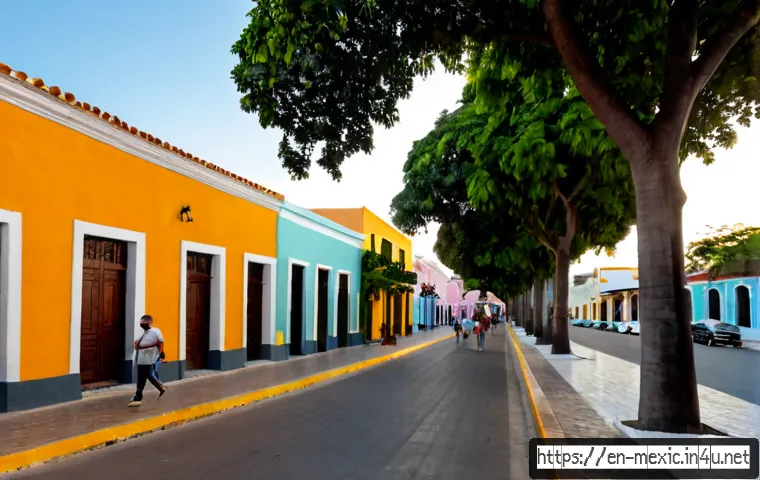
Mérida, Querétaro, Mexico City, Guadalajara, Puerto Vallarta, and Oaxaca each suit different lifestyles. Compare climate, housing costs, healthcare access, transport, safety considerations, and relocation trade-offs before choosing.

The best place to live in Mexico depends less on a single “best city” and more on your daily priorities. Mérida suits people seeking warmth and a slower rhythm, Mexico City suits those who need major-city services, Querétaro can fit families and professionals, Puerto Vallarta is for coastal living, and Oaxaca City or Guadalajara appeal to culture-focused movers.
For remote workers, retirees, families, and entrepreneurs, the practical choice usually comes down to housing pressure, healthcare access, transport, climate comfort, and the neighborhood—not just the city name.
A beach rental may feel ideal during a short visit but work very differently during high-demand seasons. Likewise, a lower advertised rent may not include deposits, furnishing needs, utilities, transportation, or health insurance.
Use a short-term stay to compare ordinary routines before signing a long-term rental contract or considering property. For any immigration, tax, legal, or property decision, verify the details with qualified local professionals.
At a Glance
- Mérida is a popular choice for a warm, slower-paced lifestyle with access to the Yucatán Peninsula.
- Mexico City offers extensive public transportation and broad big-city services, while smaller cities may require a car or regular rideshare use.
- Puerto Vallarta and other beach destinations can face stronger seasonal rental demand and tourism-driven housing changes.
| City | Climate and Lifestyle | Housing Pressure | Getting Around | Best Fit |
|---|---|---|---|---|
| Mérida | Warm climate and a slower pace | Varies by neighborhood and local demand | Car or rideshare may be useful depending on location | Retirees, remote workers, and people drawn to the Yucatán Peninsula |
| Mexico City | Large urban environment with extensive services | Can vary substantially by neighborhood and housing type | Extensive public transportation | Career-focused movers, service access, and urban lifestyles |
| Querétaro | Central location with business and industrial activity | Compare neighborhoods, commute patterns, and family needs | Car or rideshare can be important outside convenient areas | Professionals, families, and entrepreneurs |
| Puerto Vallarta | Coastal lifestyle and tourism-oriented environment | Seasonal rental demand may affect availability and pricing | Local location matters for walkability and transport needs | Beach-focused movers and seasonal residents |
| Oaxaca City / Guadalajara | Food, culture, and creative-community appeal | Assess demand at the neighborhood level | Compare daily routes, traffic, and rideshare access | Culture-focused residents, creatives, and city explorers |
Quick Answer: Which Mexican City Fits Your Lifestyle?
Mexico offers highly varied living environments, from hot and humid coastal regions to temperate highland cities and cooler mountain areas. A strong relocation choice starts with your normal week: where you work, how often you need medical care, whether you prefer walking or driving, and how much seasonal tourism affects your preferred neighborhood.
Best for a Warm, Slower-Paced Lifestyle: Mérida
Mérida is commonly considered a popular option for people who want warm weather, a slower daily rhythm, and access to the Yucatán Peninsula. It can appeal to retirees and remote workers who do not need a large-city commute every day.
Before choosing Mérida, spend time there during conditions that feel realistic for year-round living. Heat, neighborhood layout, noise, access to groceries, and the distance to private hospitals can change how convenient a home feels. A rental that looks affordable online may be farther from your preferred services than expected.
Best for Career Options and Big-City Services: Mexico City
Mexico City is a practical option for people who value a large urban environment, broad service access, and extensive public transportation. It may work well for professionals, entrepreneurs, and remote workers who want airport access and a wide choice of neighborhoods.
The trade-off is that citywide comparisons are often too broad. Your daily experience can differ sharply based on commute time, building condition, noise, walkability, and local transport connections. When reviewing long-term rentals, compare the route between home, workspaces, medical services, and the places you expect to visit weekly.
Best for Families and Business Access: Querétaro
Querétaro has a growing business and industrial presence and is often considered by professionals and families seeking a central location. It may be especially relevant for people comparing business access, family routines, and a less dense alternative to Mexico City.
For families, do not evaluate a neighborhood only by the home itself. Check the practical route to schools, green space, shopping, private medical care, and regular activities. For professionals and business owners, compare commute patterns and the convenience of customer access before committing to a lease.
Best for Coastal Living: Puerto Vallarta
Puerto Vallarta suits movers whose first priority is a beach-oriented lifestyle. Coastal destinations can be attractive for retirees, flexible remote workers, and people who want tourism, dining, and leisure amenities nearby.
The key caution is seasonal rental demand. Beach destinations may experience tourism-driven price changes and reduced long-term rental availability during busier periods. A short stay in one season does not automatically show what the same neighborhood feels like at another time of year.
Best for Food, Culture, and Creative Communities: Oaxaca City and Guadalajara
Oaxaca City and Guadalajara are worth considering for people who place food, culture, and creative energy near the top of their list. They can suit residents who want a city experience shaped by local routines rather than a purely resort-focused environment.
As with every destination, compare specific districts rather than relying on a citywide reputation. Ask whether the area supports your actual needs: groceries, transportation, workspace options, health services, accessibility, and the type of community you want around you.
Compare Climate, Housing Pressure, Transport, and Everyday Costs
The most useful Mexico cost-of-living comparison is not a single monthly number. It is a realistic list of fixed and flexible costs based on the exact neighborhood, housing type, season, and services you plan to use.
City Comparison Table: Lifestyle, Weather, Mobility, and Rental Considerations
Use the table above as a first filter rather than a final answer. Mexico’s climate varies widely, so a warm coastal preference may point you toward Mérida or Puerto Vallarta, while a highland city may feel more comfortable for someone who prefers a different climate pattern.
Transport also changes the budget. Mexico City’s extensive public transportation can reduce the need for a car in some areas. In many smaller cities, regular rideshare use or access to a car may be more important. That difference affects not only monthly spending but also how freely you can choose a neighborhood.
Why Neighborhood Choice Can Matter More Than Citywide Averages
Neighborhood choice is often the real relocation decision. Two homes in the same city can offer very different access to private hospitals, public transport, coworking options, shops, green space, and English-speaking services. The availability and quality of English-language support should always be verified locally rather than assumed.
When reviewing a listing, ask practical questions. Is the street noisy at different times of day? Is the home comfortable during heat or rain? How long does a normal grocery trip take? Can you reach your preferred medical provider without an inconvenient trip? These are more useful questions than comparing only a headline rental amount.
Budget Categories to Calculate Before Moving: Rent, Deposits, Utilities, Healthcare, and Transport
Create a relocation budget with separate lines for long-term rent, deposits, utilities, furnishings, transportation, private healthcare, and insurance. Do not assume that one advertised figure reflects your full monthly cost.
- Rent and deposit: Confirm the payment schedule, deposit terms, and any requirements before signing.
- Utilities: Ask what is included, what is billed separately, and how seasonal use may affect household needs.
- Furnishings: Decide whether a furnished home truly fits your long-term routine or whether additional items will be needed.
- Transport: Compare public transportation, rideshare dependence, parking needs, and the possible cost of maintaining a vehicle.
- Healthcare: Compare access to private hospitals, local providers, and international health insurance options based on your own needs.
What to Check Before Renting or Buying a Home
Renting first is often a practical way to learn how a city works outside vacation mode. It gives you time to compare neighborhoods, test everyday routines, and avoid making a major property decision based on a short visit.
Short-Term Stay First: Testing Commute, Noise, Heat, and Walkability
A short-term stay can reveal issues that online listings rarely explain. Test the commute at the time you would normally travel. Walk to useful places. Notice noise in the morning and evening. Check whether the home remains comfortable during local weather conditions.
If you work remotely, also test the setup you would use every day. Ask about connectivity, backup options, noise during calls, and the distance to an alternative workspace. Reliable connectivity should be confirmed for the specific building, not assumed from the city’s general reputation.
Rental Contract Questions, Deposits, Furnished Homes, and Utility Responsibilities
Before accepting a long-term rental, make a written checklist. Confirm the contract length, payment method, deposit handling, furnishing inventory, repair responsibilities, utility responsibilities, and any rules affecting your use of the home.
Take special care with terms you do not fully understand. Rental contracts and property rules should be checked before you commit. If a condition matters to your budget or mobility, ask for clear confirmation rather than relying on a casual verbal explanation.
When a Real Estate Agent, Relocation Consultant, or Legal Professional May Be Worth the Cost
Professional help may be useful when the transaction is complex, when you are comparing unfamiliar neighborhoods, or when you need help understanding documentation. A real estate agent or relocation consultant may help narrow housing choices, while a qualified legal professional may be appropriate for contracts or property-related questions.
Immigration status, tax obligations, and property rules can depend on individual circumstances. Verify those matters with qualified local professionals rather than making assumptions from general relocation content.
Choose by Situation: Remote Work, Retirement, Family Life, or Business

Instead of asking which city is best in general, choose the city that minimizes the compromises that matter most to you. A remote worker, a retiree, and a family can reasonably reach different conclusions from the same shortlist.
Remote Workers Needing Reliable Connectivity and Airport Access
Remote workers may prioritize a stable home setup, access to alternative workspaces, and practical airport connections. Mexico City can be attractive for big-city services and transportation, while Mérida, Querétaro, Guadalajara, Oaxaca City, or Puerto Vallarta may suit different work-and-lifestyle preferences.
Compare homes by actual work conditions: connectivity at the address, indoor comfort, call noise, backup routines, and the time needed to reach essential services. A beautiful location is less useful if the daily setup does not support your work.
Retirees Prioritizing Healthcare, Climate Comfort, and Daily Convenience
Retirees may find Mérida appealing for its slower pace and warm climate, while other cities may better match a preference for urban services, culture, or a different weather pattern. The important issue is not a universal ranking but access to the care and convenience you personally need.
Research private hospital availability, healthcare access, walkability, transport options, and climate comfort in the exact area you are considering. International health insurance comparisons should focus on coverage terms and provider access rather than a headline premium alone.
Families Comparing Schools, Green Space, Traffic, and Private Medical Care
Families often need a neighborhood-level comparison. Querétaro may be relevant for families and professionals seeking a central location, while Mexico City may offer broad urban services. The better fit depends on commute demands, school preferences, healthcare needs, traffic tolerance, and the everyday rhythm you want.
Visit likely neighborhoods at routine times, not only on weekends. A good family home should work for school mornings, errands, appointments, and regular transportation—not simply look appealing during a viewing.
Entrepreneurs Considering Customer Access, Local Labor, and Operating Costs
Entrepreneurs should compare business access, customer proximity, operating needs, and the practical cost of living in the chosen area. Querétaro’s business and industrial presence may make it worth including in a professional shortlist, while Mexico City can appeal to those who need large-city connectivity.
Do not treat personal housing costs and business costs as the same decision. Separate your residential budget from workspace, travel, staffing, professional services, and other operating needs. Tax and business obligations require professional verification.
Common Relocation Mistakes to Avoid
Treating a Vacation Neighborhood Like a Year-Round Home
A vacation area can feel ideal because leisure is the main activity. Long-term life adds commuting, shopping, appointments, paperwork, weather changes, and recurring expenses. Stay long enough to test an ordinary week before deciding that a neighborhood fits.
Ignoring Hot-Season Weather, Rainy-Season Flooding, or Hurricane Exposure
Mexico’s climate varies significantly by region. Before relocating, ask how local weather affects your preferred home, street, transportation route, and routine. Coastal and other locations may require additional weather-related research based on the exact area.
Comparing Rent Without Including Deposits, Furnishings, Transport, and Insurance
A low advertised rent is not automatically a low-cost move. Compare the full cost of deposits, utilities, furnishings, transportation, healthcare needs, and international health insurance. This is especially important in tourism-driven areas where seasonal housing pressure can change.
Making Legal, Tax, or Property Assumptions Without Professional Verification
Visa eligibility, tax residency, rental requirements, and property rules can depend on nationality, income source, immigration status, and local circumstances. General online guidance is not a substitute for advice from a qualified professional who can review your situation.
Selection Criteria and Comparison Summary
Use a simple scorecard before you book a scouting trip or sign a long-term lease. Rate each shortlisted neighborhood for budget fit, climate comfort, transport, healthcare access, housing availability, and community fit. Then compare the result with your real non-negotiables, such as a manageable commute, access to private medical care, or the ability to work comfortably from home.
Paying more for a central neighborhood can sometimes create better day-to-day value if it reduces transportation needs, saves time, and places essential services nearby. In other cases, a less central area may be a better match if space, quiet, or a different daily pace matters more.
A practical final shortlist could include Mérida for a warm and slower-paced option, Mexico City for urban services and public transportation, Querétaro for family or business access, Puerto Vallarta for coastal living, and Oaxaca City or Guadalajara for culture-oriented lifestyles. Compare long-term rental options, international health insurance terms, moving budgets, and local legal support before making a final commitment. For official guidance and detailed service terms, check the relevant provider or professional’s page directly.
Final Thoughts
The best Mexican city to live in is the one that supports your ordinary day, not just your ideal weekend. Start with your climate preference, transportation needs, housing budget, and access to healthcare or work opportunities. Then test a few neighborhoods before treating any listing or citywide reputation as a final answer.
A careful scouting visit can be more valuable than chasing the lowest rent or the most popular expat destination. Give yourself time to compare the full cost, the daily routine, and the local support you may need.
Useful Information to Know
1. Mexico has varied climates, so compare the actual weather pattern of each city rather than assuming one national climate.
2. Housing costs can change by neighborhood, home type, season, and tourism or expat demand.
3. Private hospital access and English-speaking services can vary by city and neighborhood.
4. Mexico City has extensive public transportation, while many smaller-city routines can be easier with a car or regular rideshare use.
Important Notes
Exact rent, purchase prices, utilities, insurance premiums, and neighborhood suitability should be checked at the time of your move. This comparison cannot determine whether a specific area meets your personal security, family, accessibility, commute, visa, or tax needs. Review rental contracts, immigration questions, tax obligations, and property rules with qualified local professionals before making a binding commitment.
Frequently Asked Questions
Q1. What is the best city in Mexico for expats on a moderate budget?
A1. There is no single answer because affordability depends on the neighborhood, housing type, season, and your transportation and healthcare needs. Mérida, Querétaro, Oaxaca City, Guadalajara, and Mexico City can each fit different budgets, but compare full monthly costs rather than rent alone.
Q2. Is it cheaper to rent long-term in Mérida, Querétaro, or Mexico City?
A2. Exact long-term rental costs vary substantially by neighborhood, home type, furnishing level, and demand. Mexico City, Mérida, and Querétaro should be compared using current listings for the specific areas you would realistically live in, including deposits, utilities, and transport costs.
Q3. Which Mexican cities are best for remote workers who need reliable internet and airport access?
A3. Mexico City may be attractive for extensive city services and transportation, while Mérida, Querétaro, Guadalajara, Oaxaca City, and Puerto Vallarta may suit different work-and-lifestyle preferences. Confirm connectivity at the exact building, test your work setup during a short stay, and compare airport access based on your own travel pattern.